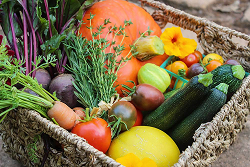
Key Tips for Harvesting Vegetables
- Best Timing: Harvest in the early morning after the dew dries to ensure the vegetables are at their sweetest and juiciest.
- Tools: Use clean, sharp shears, scissors, or a knife to cut vegetables rather than pulling them.
- Avoid Damage: Do not twist or break plants. For items like peppers, tomatoes, and cucumbers, cut close to the stem.
- Frequency: Check the garden daily once crops start producing. Frequent picking encourages continued production (e.g., zucchini, beans, cucumbers).
- Size Matters: Smaller vegetables are often more tender and flavorful, while overripe ones can be tough.
- Root Crops: Use a garden fork to loosen the soil around root vegetables like potatoes and carrots to avoid breakage.
- Leafy Greens: Harvest the outer leaves of lettuce, kale, and chard, leaving the center to continue growing.
- Storage: Most vegetables should be kept cool and out of direct sun immediately after harvest.
- Handling: Handle produce gently to avoid bruising, which reduces storage life.
Guidelines for Specific Vegetables
- Tomatoes: Twist from the vine or snip.
- Peppers: Snip closely, leaving a small part of the stem.
- Broccoli: Cut the main head with a sharp knife; harvest smaller side shoots later.
- Root Crops (Carrots/Beets): Pull when they reach the desired size, often indicated by the top of the root being visible above the soil.
- Cucumbers/Squash: Harvest before they get too large to maintain best texture.