
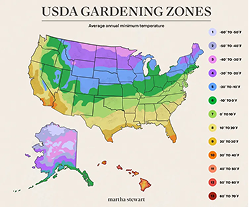
 Growing zones or hardiness zones are geographic areas defined by climate conditions that affect plant growth. They are crucial for gardeners and farmers in selecting suitable crops and flowers. Factors like minimum temperatures and humidity define these zones. Knowing your growing zone helps make informed decisions for successful gardening or farming.

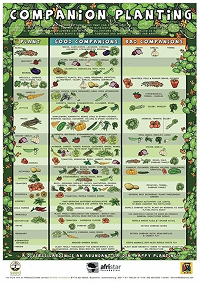 Growing plants close together for mutual benefits like pest control, nutrient sharing, and better yields. For instance, marigolds may deter insects, and basil could boost tomato flavors. Combined planting optimizes garden space, encouraging biodiversity and healthier plants. It's a strategic cultivation approach.

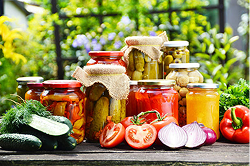 Canning is a safe, effective food preservation method that seals food in jars, typically lasting one to five years, by heating them destroy microorganisms and enzymes. Key techniques include water-bath canning for high-acid foods (fruits, jams) and pressure canning for low-acid foods (vegetables, meats). Benefits include long-term storage, cost savings, and preserving seasonal produce.

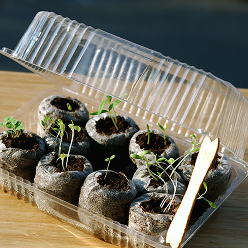 Step-by-step instructions for starting seeds: Begin with quality seeds, selecting appropriate varieties for your climate. Gather necessary materials like trays, potting mix, and labels. Plant seeds at recommended depths and maintain consistent moisture. Place trays in a warm area with access to light. Monitor daily for signs of growth. After germination, thin seedlings.

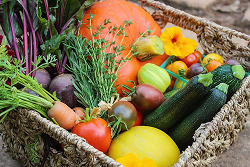 Harvest home garden vegetables in the early morning after dew dries for maximum sweetness, crispness, and flavor. Check daily for produce like zucchini and beans, harvesting frequently to encourage further growth, while handling plants gently to avoid damage. Small, tender, young vegetables often taste better than overgrown ones.

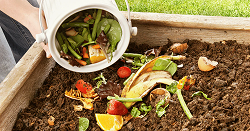 Composting is the natural, managed, aerobic decomposition of organic materials—like food scraps, leaves, and yard waste—into a nutrient-rich soil amendment. It improves soil health, retains moisture, reduces waste, and lowers methane emissions, providing a sustainable, nutrient-packed fertilizer for plants.